How to Generate Web Design Leads: 7 Real Methods
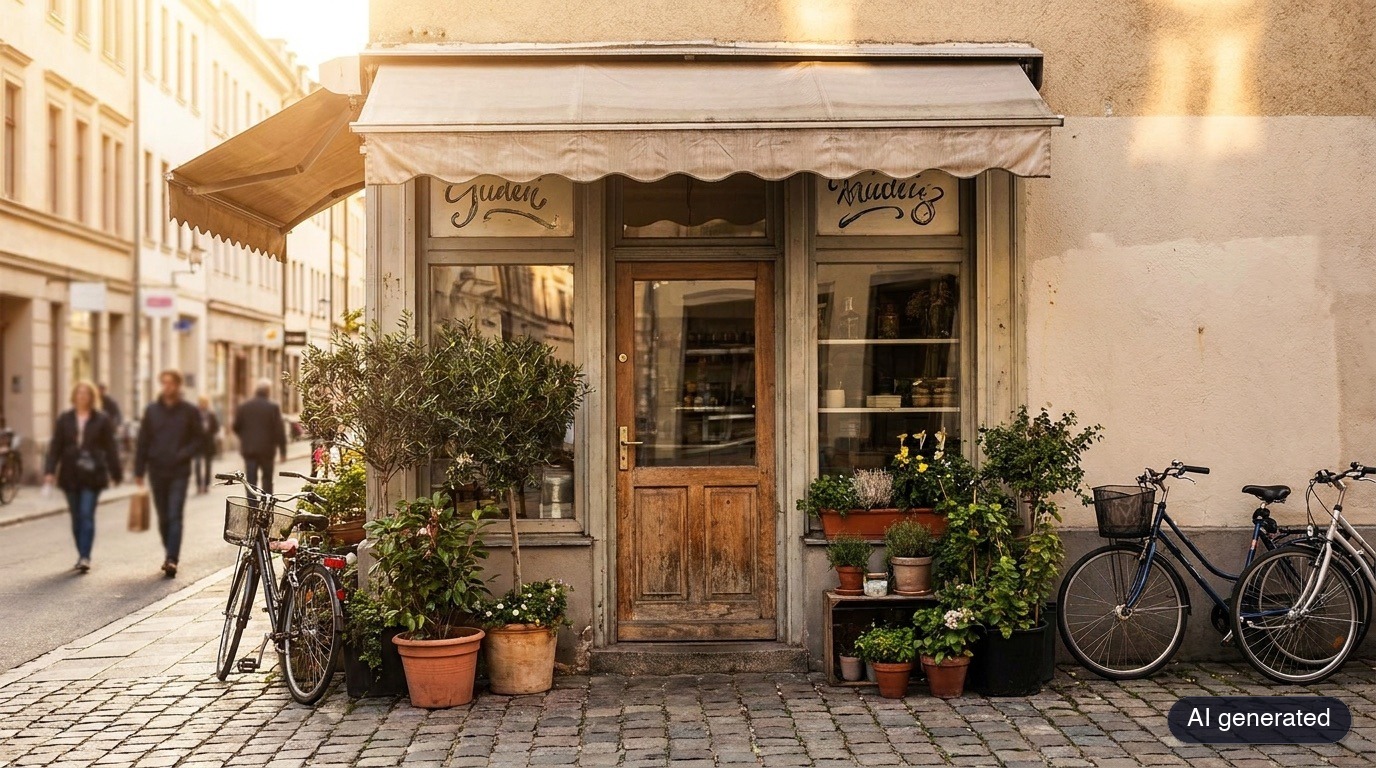
- Most web design leads come from targeting businesses that have no website yet, then sending a finished preview site instead of a pitch. Expect to contact 20 to 50 well-targeted local businesses per client, versus 100+ with blind cold email. Niche positioning and visible proof cut that number further.
Why does most web design lead-gen advice fall flat?
Because it treats every channel as equally good and never mentions the time cost. A list that says "post on social media, write SEO content, try cold email, join a directory" is technically true and practically useless. Posting three times a week on Instagram for six months might produce your first inbound message, or it might not, depending on your city and niche. SEO content for your own agency site usually needs six to twelve months before it ranks for anything competitive, and that's assuming you publish consistently and target realistic keywords. Directories like Clutch or UpCity put you next to hundreds of agencies bidding for the same eyeballs.
None of that is wrong advice exactly. It's just advice without a timeline or a conversion rate attached, which makes it impossible to plan around. This guide gives both, plus one method the generic lists skip: sending a finished website before you ever pitch.
*Related: Niche Web Design: Finding a Niche With Real Data, Not Guesswork*
*Related: Web Design Freelance Portfolio: No Clients? Build One*
Step 1: What niche should you pick before you start prospecting?
Pick a niche narrow enough that you can describe your ideal client in one sentence, not a paragraph. "I build websites for small businesses" is not a niche. "I build booking-friendly websites for independent hair salons and barbershops" is. The narrower version tells a prospect instantly whether you're relevant, which matters more than it sounds.
Local vertical vs. general freelancer positioning
A local vertical, say restaurants in a 50-mile radius, or architecture firms in one metro area, lets you reuse the same pitch, the same objections, and often the same design template across dozens of prospects. General positioning forces you to reinvent your pitch for every lead because a dentist and a roofer need completely different things from a site.
Why niching shortens the sales pitch
Niching turns "can I build you a website?" into "I build websites for businesses like yours, here's one." That second sentence does the selling for you. It also means your portfolio, once you have three or four projects in one niche, reads as specialist proof rather than a scattered freelancer resume.
Step 2: How do you build proof before you have real clients?
You build it with unpaid or low-cost pilot work, framed honestly. Nobody hires a web designer with zero visible work, and nobody expects you to have ten paying clients on day one either. The gap gets filled with two or three self-initiated projects: redesign mockups for real local businesses that currently have a dated site, or build a full demo site for a fictional business in your niche and label it as a concept piece.
A hypothetical example: a freelancer targeting independent coffee shops builds two polished demo sites, one for a fictional roastery and one as a free redesign offered to an actual shop in exchange for a testimonial, before sending a single cold message. Those two projects become the entire portfolio used in outreach for the next three months. Keep the portfolio page itself simple: three to five projects, one paragraph of context each, and a clear "contact me" button above the fold. A bloated ten-project portfolio with no context converts worse than three well-explained ones.
Step 3: How do you find businesses that actually need a website?
You find them by searching for businesses with no website at all, not by competing for scraps on freelance marketplaces. This is the step most guides skip entirely, and it's the one with the least competition.
Scraping Upwork vs. finding businesses with no website at all
Upwork and similar freelance marketplaces put you in a bidding pool against dozens of other freelancers, often from lower-cost regions, for every single posted job. Upwork also charges freelancers a service fee that has changed structure more than once: a flat 10% rate took effect in May 2023, replacing the old sliding scale, but Upwork moved again to a variable fee of roughly 0-15% per contract starting in May 2025, with older contracts sometimes keeping their original rate. That's a real cost on top of your time spent proposal-writing, and proposals on competitive listings routinely number in the dozens within hours of posting.
Compare that to searching Google Maps, Yelp, or local business directories for businesses with no linked website, no "website" field filled in on their Google Business Profile, or a Facebook page acting as their entire web presence. Nobody else is proposing to these businesses, because most freelancers never bother looking for them. LumaSite's guide to finding businesses without a website walks through the specific search patterns, filters, and tools for this.
Using data like the 11.1% without-website stat to target by city/industry
Roughly 11.1% of local businesses in several measured markets have no website at all, based on data compiled on LumaSite's website gap page. That number varies a lot by industry and city, which is the useful part. Trades like plumbing or landscaping tend to skew higher on "no website," while anything consumer-facing and reputation-driven, like restaurants, skews lower because owners feel more website pressure. Pull that ratio for your own city and industry before you pick where to spend the next two weeks prospecting. A city where 20% of hair salons have no site is a far better hunting ground than one where it's 4%.
Step 4: How do you pitch with a finished preview instead of a cold message?
You pitch by sending a live, working website instead of asking permission to build one. This is the single biggest lever in this entire guide, and it's also the part most agencies never try because it used to be expensive and slow.
Why "here's your site" beats "can I build you a site?"
"Can I build you a website?" asks the business owner to imagine something that doesn't exist and trust a stranger to deliver it. "Here's a site I built for you, take a look" removes the imagination step entirely. The owner can click a real link, see their own business name, their own phone number, maybe their own Google reviews pulled in, and judge the result in ten seconds instead of agreeing to a sales call first. That collapses what used to be a two- or three-touch sales cycle, discovery call, proposal, follow-up, into a single message with a reply.
AI website generators made this practical at scale. A tool like LumaSite can take a business name, address, and category and produce a hosted, live preview site in minutes, which means you can produce 20 or 30 of these a week without touching a design tool. The preview isn't meant to be the final delivered product necessarily. It's proof that you did the work before asking for anything.
Sample outreach script using a preview link
A short, direct message outperforms a long pitch here, because the link is doing the convincing.
Once someone replies, the sale isn't closed yet, it's just started. LumaSite's step-by-step guide to selling websites to local businesses covers pricing conversations, handling "I don't need a website" objections, and what to deliver once they say yes.
Step 5: How do referrals and partnerships add leads on top?
They add leads with near-zero cost per client, which is why they're worth setting up even if they're slow to ramp. Every delivered project is a referral opportunity you're probably not asking for. Build a simple habit: 30 days after a site goes live, send one message asking if the owner knows another business owner who could use the same thing, and offer a small discount or a free add-on for the introduction.
Partnerships work the same way but sideways instead of downstream. Local marketing agencies, ad-buying freelancers, and photographers who shoot for small businesses all meet prospects who need a website but don't build one themselves. A 10-15% referral fee or a reciprocal "I'll send you my design clients who need ads" arrangement turns someone else's client list into your pipeline, without any cold outreach on your part. This channel is slower to start than the preview-link method, often taking a few months before referrals become consistent, but it compounds while the other channels stay flat.
Step 6: Is this a side hustle or a full pipeline for you?
Decide this before you build a system, because the honest answer changes how many hours a week you should spend on lead gen. Sending 20 preview links a week, following up, and handling replies takes roughly 4-6 hours weekly once you have a process, less once templates exist. That's realistic alongside a full-time job for most people.
If you're doing this part-time, the legal and tax setup matters more than people assume, especially once money starts changing hands regularly. LumaSite's guide on working as a part-time web designer covers the registration, tax, and contract basics for exactly this situation. Skip that step and you're exposed the moment a client asks for an invoice or a contract you don't have ready.
How many leads does it actually take to land one client?
It depends entirely on how targeted the outreach is, and the gap between targeted and blind outreach is large. Below is a planning range, not a guarantee, built from typical freelancer-reported benchmarks on channels like Upwork proposals, cold email, and direct preview-link outreach, including patterns discussed in threads like r/LeadGeneration's agency lead-gen thread. Treat the numbers as a range to plan a week around, not a formula.
Typical reply and close rates by channel
| Channel | Time cost per week | Est. reply rate | Est. contacts per client | Direct cost |
|---|---|---|---|---|
| Blind cold email | 5-8 hrs | 1-3% | 100-300+ | Low, email tool subscription |
| Upwork proposals | 6-10 hrs | 5-10% (jobs you're shortlisted for) | 20-40 proposals | Variable 0-15% service fee (per-contract, since May 2025), plus Connects cost |
| Cold calling | 8-12 hrs | 2-5% answer-to-interest | 60-150 calls | Low, phone/VOIP cost |
| Directory listing (Clutch, UpCity) | 1-2 hrs setup, then passive | Varies, often under 1% monthly | Hundreds of impressions | Free to $300+/month for featured spots |
| Paid local ads | 2-4 hrs | Depends on budget and targeting | Variable, cost scales with spend | $300-1,500/month realistic test budget |
| Preview-link outreach | 4-6 hrs | 15-30% reply | 20-50 targeted contacts | Low, generator tool subscription |
| Referral/partnership | 1-2 hrs/month | High once warm | 3-8 warm intros | Free to 10-15% referral fee |
The preview-link number stands out because it's replying to proof, not a request. A hair salon owner who clicks a live link with their actual business name on it reacts differently than one reading "I'd love to build you a site sometime."
What to do after the first reply
Follow up within 24 hours of any reply, and don't let silence after that first reply become the end of the conversation. A simple cadence: reply same day, follow up after 3 days if no response to your reply, follow up again after 7 days with something new, a specific feature idea, a reduced scope offer, then stop and move on after 14 days. Most agencies lose deals not from a bad pitch but from an inconsistent follow-up, letting a warm reply go cold for two weeks. Once someone says yes, the closing mechanics, pricing conversation, scope, and handover, follow the process in LumaSite's local business sales guide.
What doesn't work, realistically
Mass cold email to purchased lists converts close to zero and risks your sending domain's reputation. Generic directory listings without a featured placement rarely get seen. Posting on your own social media without any paid boost or existing following produces almost no inbound leads in the first few months, regardless of what the generic lists imply. And scraping Upwork client contact details to email them outside the platform violates Upwork's Terms of Service and can get your account banned. Read the terms before building any kind of scraper against Upwork, LinkedIn, or similar platforms. The businesses-without-a-website approach sidesteps that risk entirely, because you're searching public business listings, not scraping a platform's private user data.
FAQ
How many outreach messages does it take to land one web design client?
With targeted, preview-link outreach to businesses that have no website, expect roughly 1 client per 20-50 contacts. With blind cold email to a purchased or scraped list, that number often climbs past 100-200 contacts per client. Targeting quality matters more than raw volume here.
Is scraping Upwork or similar platforms for leads legal or ethical?
It's against Upwork's Terms of Service to scrape client contact information or route clients outside the platform, and violating that can get your account suspended. Targeting local businesses that have no website at all through public listings and Google Business Profile data is a cleaner approach with far less competition and no platform risk.
What's the fastest way to get my first web design client?
Combine a narrow niche, a minimal portfolio, and a preview-link pitch sent to businesses with no website. That combination compresses the usual multi-week sales cycle into a single message with a reply, and the local business sales process covers what to do once someone responds.
Do I need a portfolio before I start generating leads?
Yes, at minimum three or four projects, even if one or two are unpaid demo builds rather than paid client work. A portfolio with zero examples makes every pitch, including a preview-link pitch, look unfinished.
Can I generate web design leads part-time?
Yes, roughly 4-6 hours a week is enough to run a steady preview-link outreach process once templates exist. Set up the legal and tax basics first using a guide like LumaSite's part-time web designer setup so invoicing and contracts aren't a scramble once the first client says yes.
What makes a local business a good web design lead?
No existing website, visible local demand such as active Google reviews or a busy storefront, and an industry where direct competitors already have decent sites. That last point matters: a business watching a nearby competitor's website pull in bookings feels the gap more than one operating in a category where nobody has a site.
Keep reading

How to Sell Websites to Local Businesses in 2026: The Honest 5-Step Guide

Businesses Without Websites: How to Find, Verify and Pitch Them (2026)

Average Cost of Website Design for Small Business (2026)

Best Free Website Builder 2026: Full Comparison + Agency Use
One honest guide per week
Free, straight to your inbox — finding clients, selling websites, starting clean. No spam, one click stops them anytime.
✓ Check your inbox — click the confirmation link and you’re in.